


Facing urban transformations, local authorities and investors seek property solutions capable of serving multiple functions on a single site. Mixed-use spaces offer concrete advantages:
- Land optimisation: sharing uses on a single plot limits land artificialisation
- Functional diversity: workspaces, production, storage, retail and services in one development
- Territorial dynamism: mixed-use projects strengthen the economic vitality of neighbourhoods and business parks
- Operational flexibility: modular design allows the building to evolve with occupiers’ needs
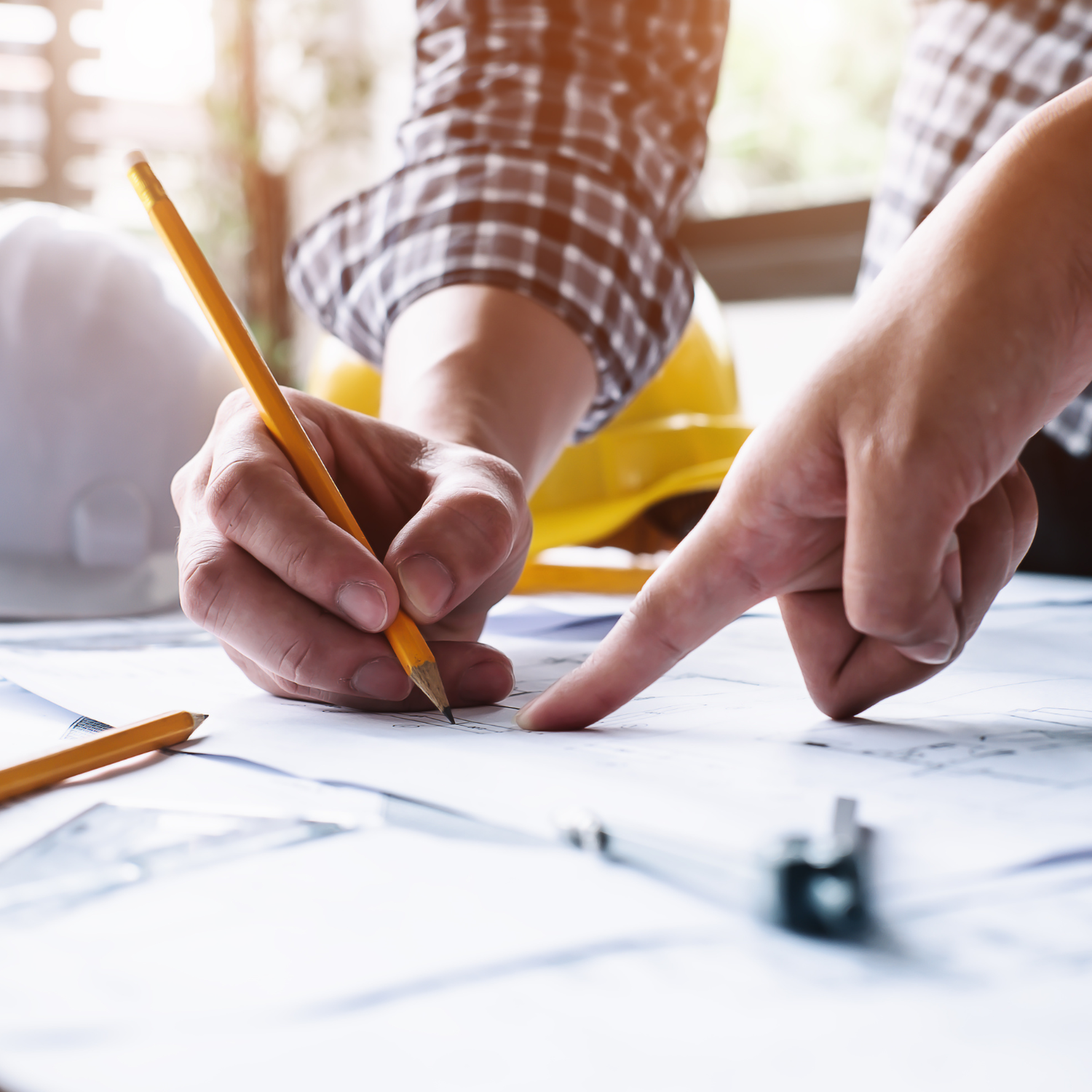
A mixed-use property project requires technical, regulatory and architectural expertise. Axess deploys its design and construction capabilities to:
- Ensure overall coherence: circulation, access, parking, managing co-activity between different uses
- Manage regulatory constraints specific to each function (ERP, ICPE, nuisances, fire safety)
- Propose adapted building solutions: mixed structures, differentiated insulation, accessibility
- Guarantee environmental performance: BREEAM or HQE certifications, bio-sourced materials, photovoltaics
What are the challenges of mixed-use spaces today?
Land scarcity, net zero artificialisation targets and new user expectations are accelerating the development of mixed-use projects. These developments address several challenges simultaneously:
- Sustainable development: reducing urban sprawl by concentrating uses
- Functional mix: creating places where business, services and daily life coexist
- Soft mobility: encouraging short trips by bringing functions closer together
- Territorial attractiveness: strengthening the dynamism of neighbourhoods and business parks